Steps · Hardscaping Columbus
Outdoor Steps in Columbus, OH
Steps that carry a path or patio through a grade change at an easy rhythm. Get a free estimate.
Serving Columbus, Dublin, Upper Arlington, Westerville, New Albany and 27 more towns

Free Outdoor Steps Estimate
List what you want in the yard and what is not working now. The contractor will ring you to talk it over and line up a walk-through.
- Free estimates
- Whole-yard planning
- Build in phases
- Columbus plus 31 towns
A rough wish list is enough to get going. 👇
Outdoor Steps
Outdoor Steps for Columbus, OH
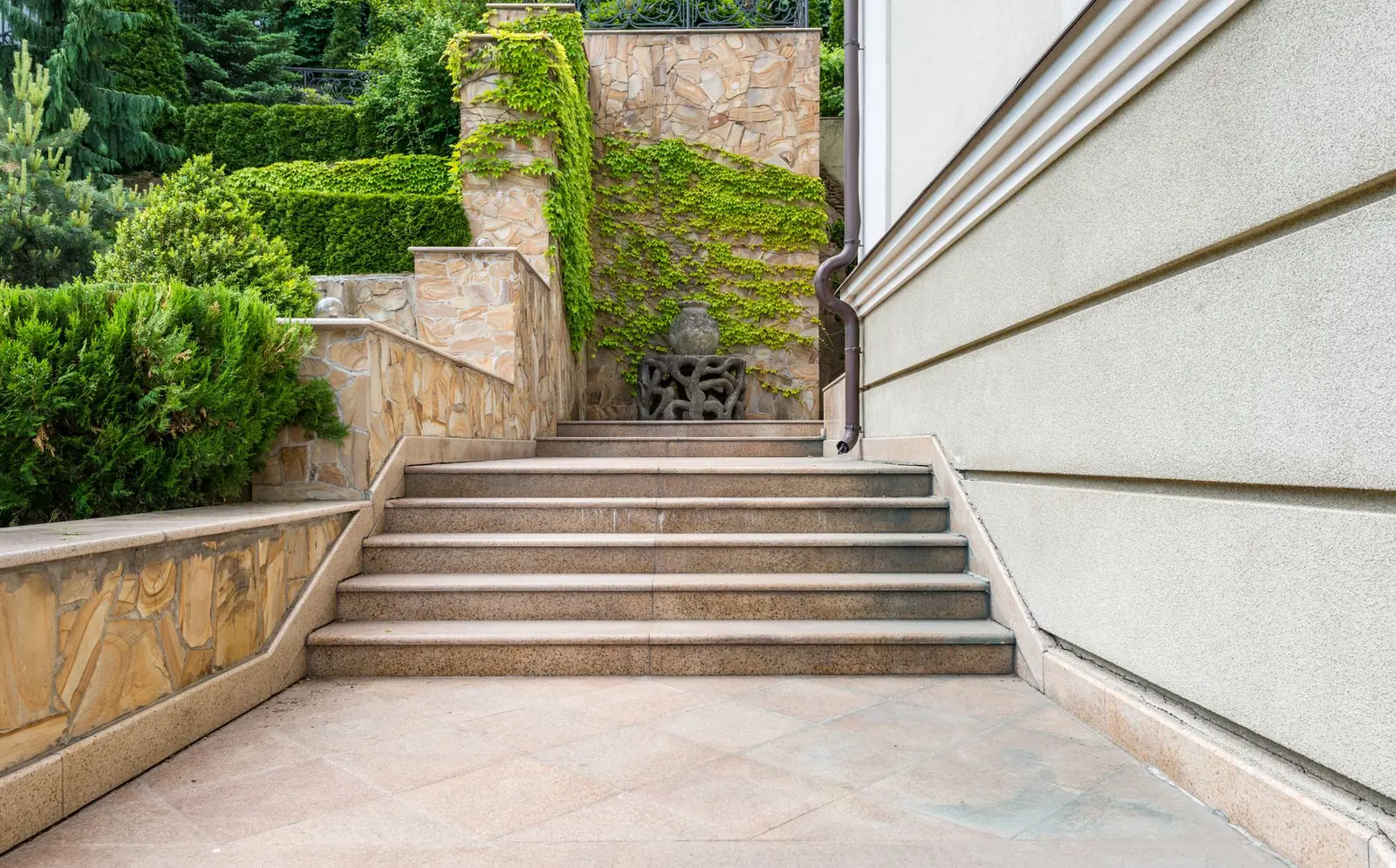
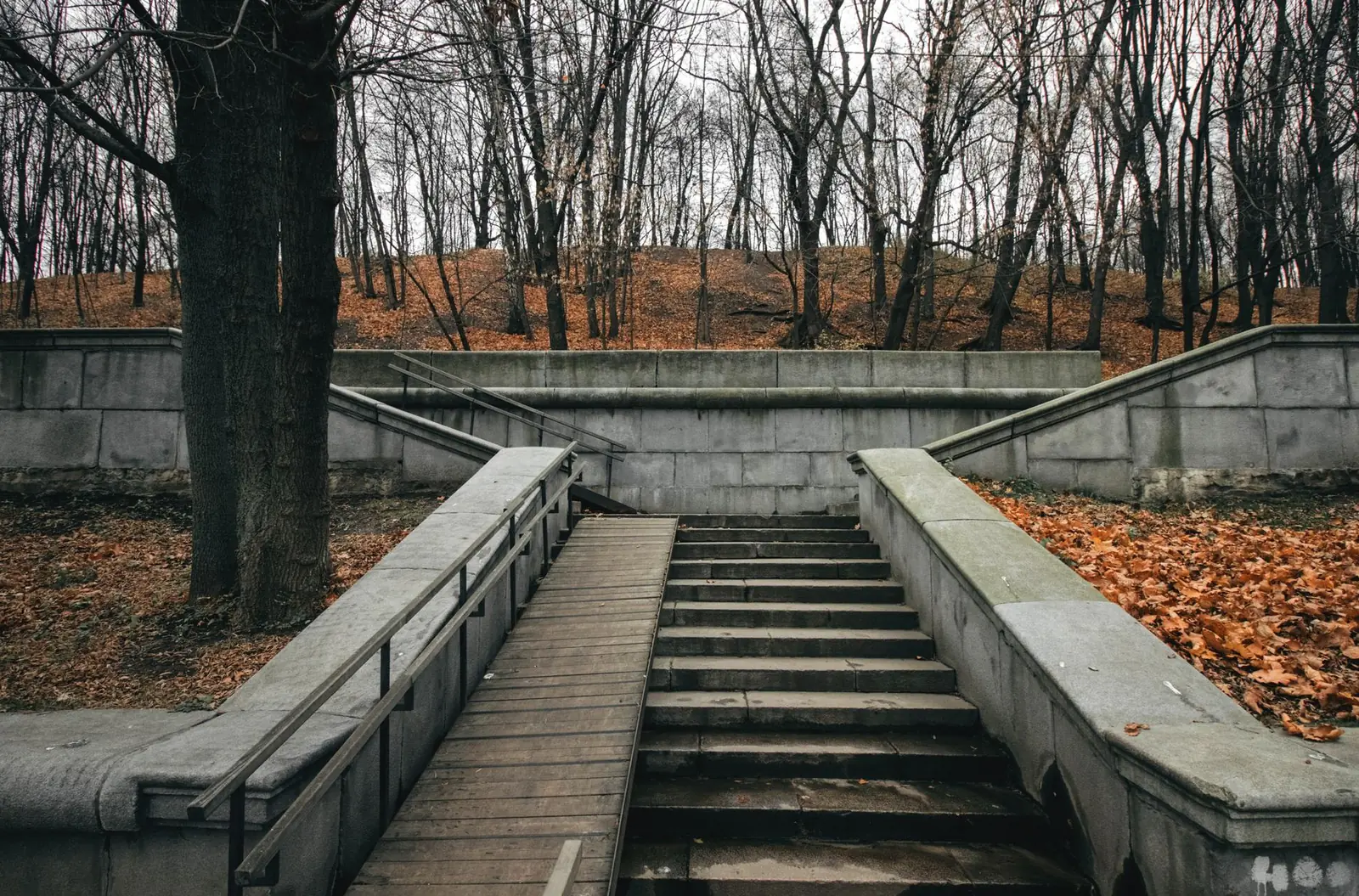
Steps are where a yard plan meets the grade. Anywhere the ground drops more than a few inches between two spaces, back door to patio, patio to lawn, walk to driveway, steps make the change comfortable. Outdoor steps work best lower and longer than the stairs inside, typically a 6-inch rise with a tread of 14 inches or more, and every step in a run should match. A longer, gentler flight can even turn a steep bank into a feature of the design instead of an obstacle you walk around.
How the steps are built depends on what they connect. Paver or block steps sit on a compacted base and pair naturally with a paver patio or a retaining wall, where a flight can pass right through the wall with returns on each side. Poured concrete steps at a door are typically set on footings below the frost line so they stay tight to the threshold. In every case, water has to drain off each tread rather than sitting where it can freeze into a slick patch overnight.
What's included
What goes into outdoor steps
- 01
Rise and run worked out
Total height divided into even steps with a comfortable tread depth.
- 02
Material to match
Paver, wall block or poured concrete, chosen to fit the patio and paths.
- 03
Solid base or footings
Compacted stone for paver and block steps, frost footings for poured steps at doors.
- 04
Steps through walls
Openings in retaining walls with returns that hold the soil on each side.
- 05
Treads that drain
A slight pitch on each tread so water runs off instead of freezing in place.
- 06
Landings
Flat resting spots on long runs and at doors.
Examples
Outdoor Steps: examples
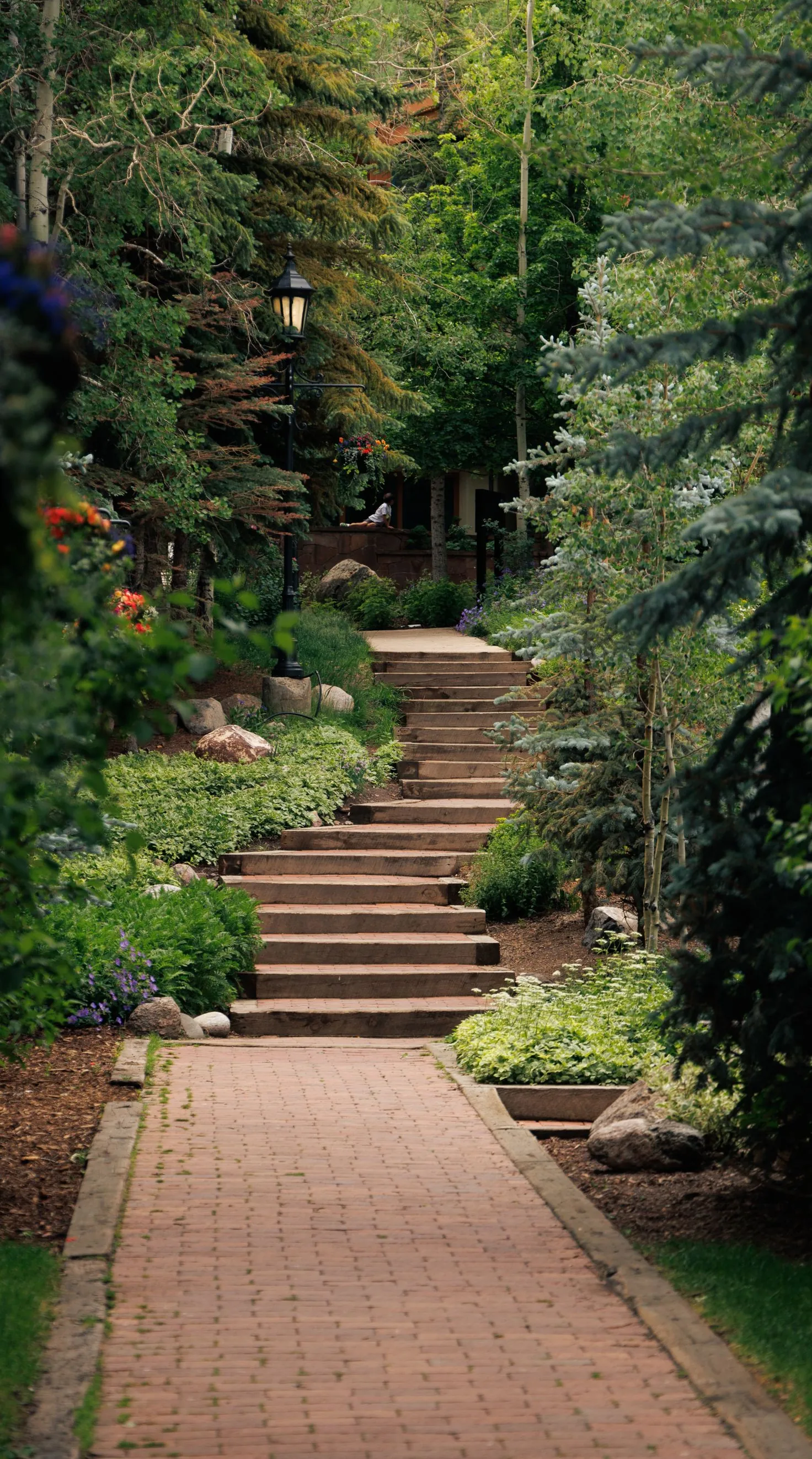

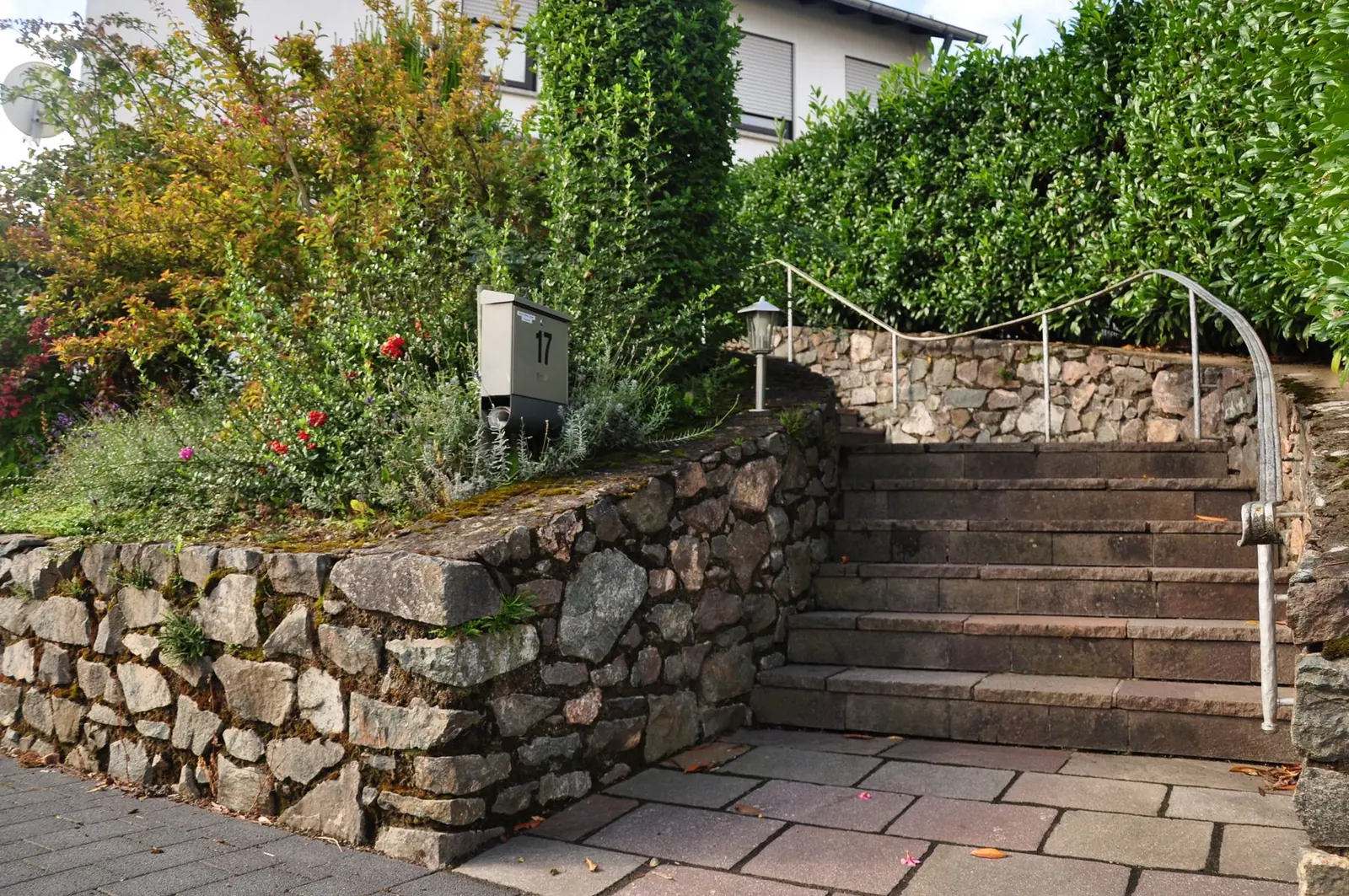
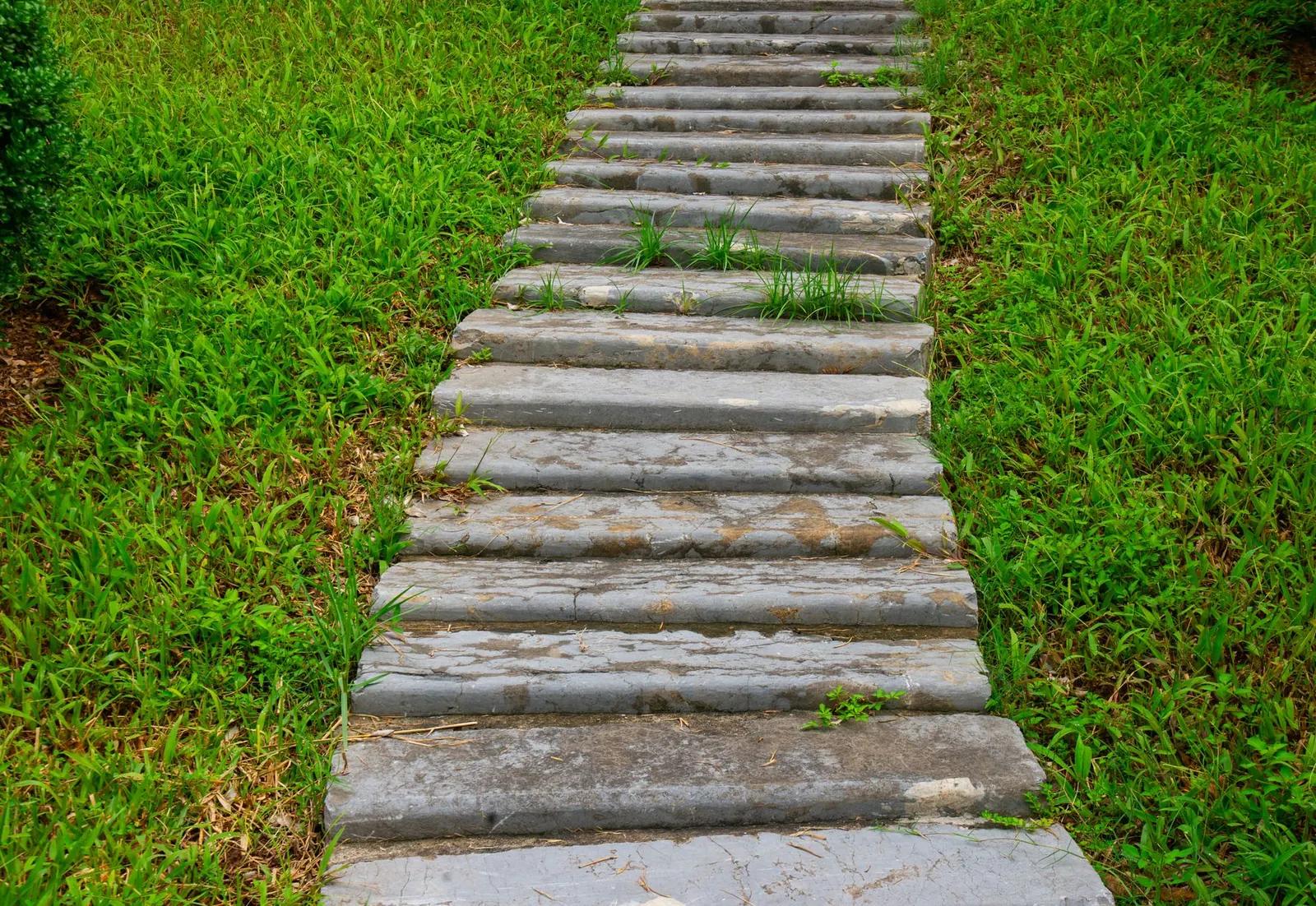
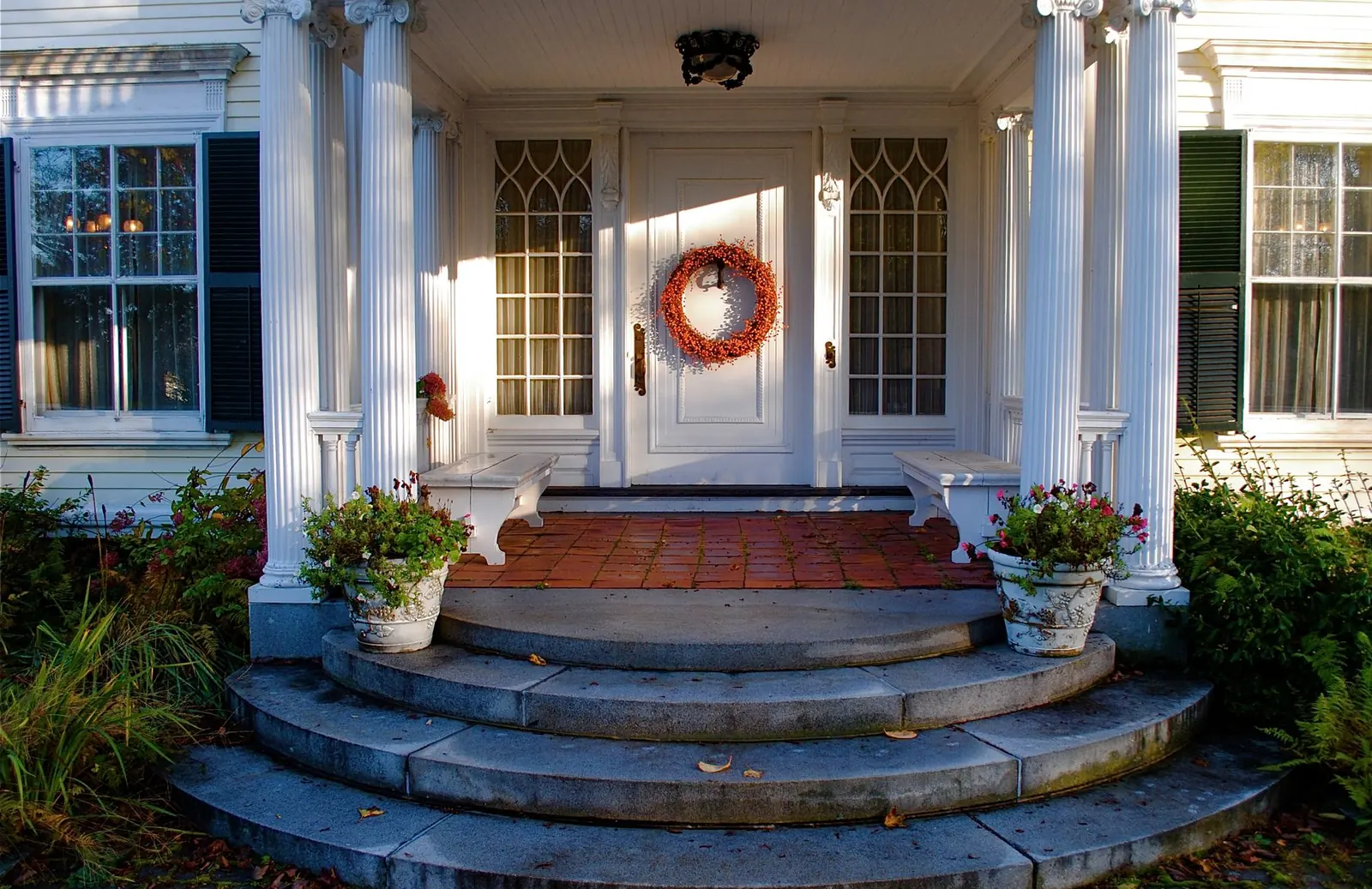
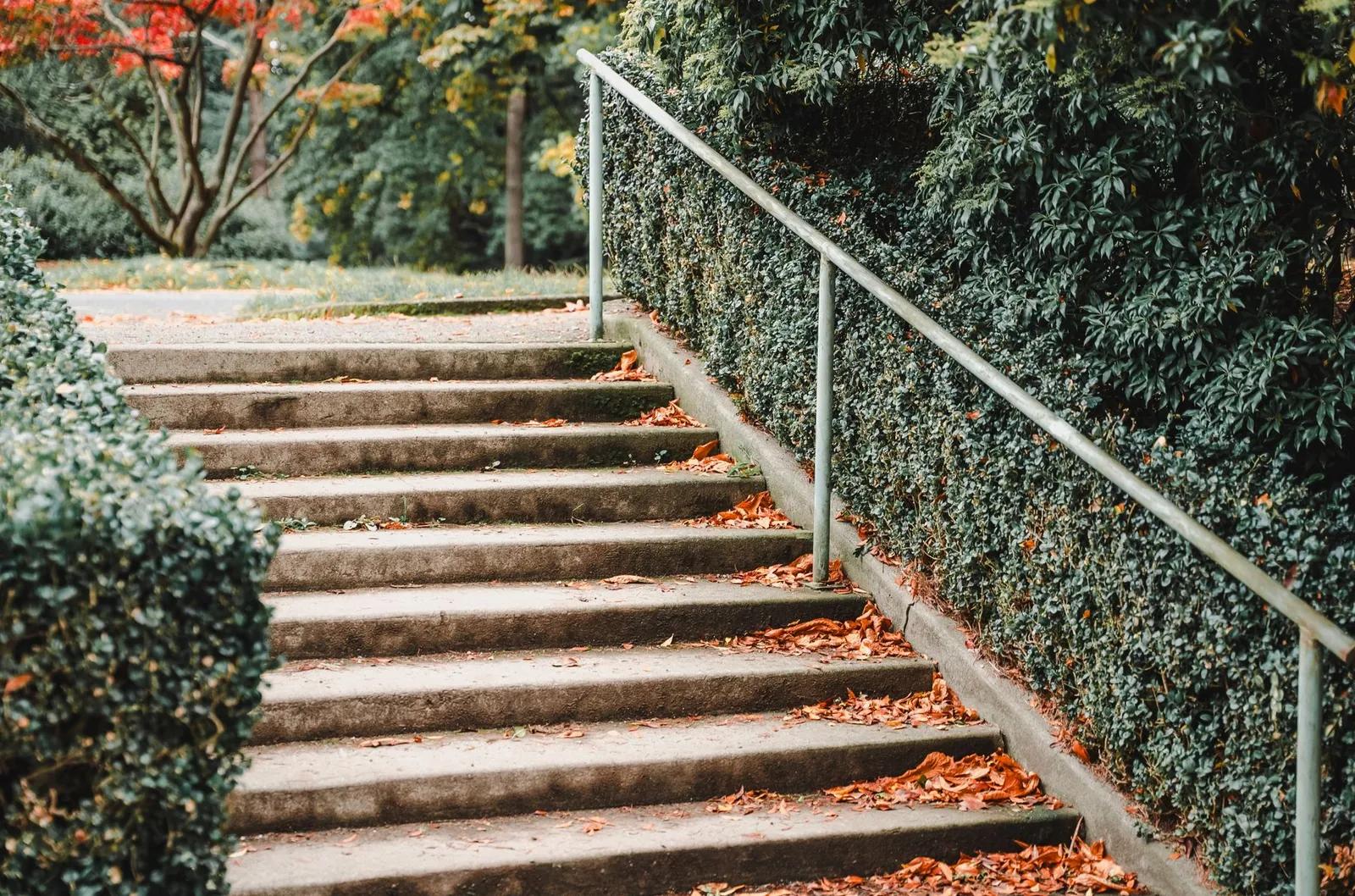
Example photos of the type of work.
How it works
Outdoor Steps, step by step
- 1
Measure the drop
Top to bottom, then divided into even risers.
- 2
Prepare the base
Dig and compact stone, or pour footings for concrete steps.
- 3
Build the steps
Set block or pavers course by course, or form and pour.
- 4
Tie in the ends
Connect to the patio, walk or wall on each side and regrade the soil around them.
Questions
Outdoor Steps questions
Why do outdoor steps shift over the winter?
Water under them freezes. Steps on a thin base over wet clay rise with frost and settle back unevenly. A deep, draining base for block and paver steps, or footings below the frost line for poured ones, keeps every riser where it was built.
What goes into the cost of outdoor steps?
The number of steps and their width, the material and what they sit on. Steps cut into a retaining wall or broken up by landings take more work than a short run off a patio, and footings for poured steps add digging.
Do outdoor steps need a permit or a handrail?
Steps attached to a house may fall under the building department, and handrail rules depend on the number of risers and the local code. Freestanding landscape steps are often handled differently. Ask your city, village or township, and call 811 before digging.
How wide should outdoor steps be?
At least as wide as the path that feeds them, and wider is usually better. Steps that flare at the bottom or match the width of the patio feel generous and safe, especially with a tray or a cooler in your hands.
Where should steps go on a sloped yard?
Where the route is most natural and the grade change is steepest, so the rest of the path can stay gentle. Grouping the change into one set of steps, instead of scattering single steps along a walk, is easier to see and safer to use.
Pieces of the plan
Related work
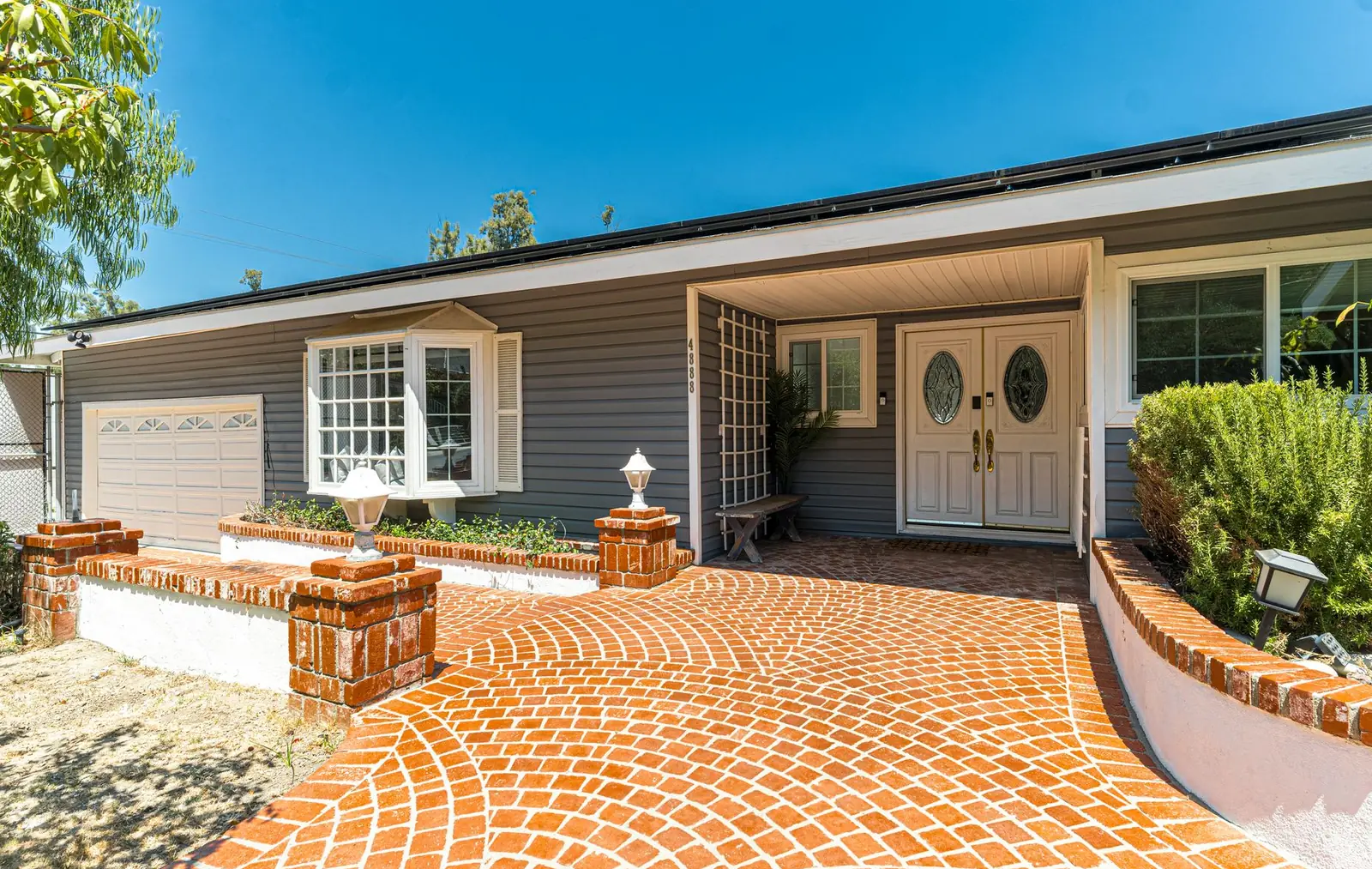
Walkways & Paths
Paver or concrete paths that follow how people move through the yard, at the right width and drained.
More on walkways & paths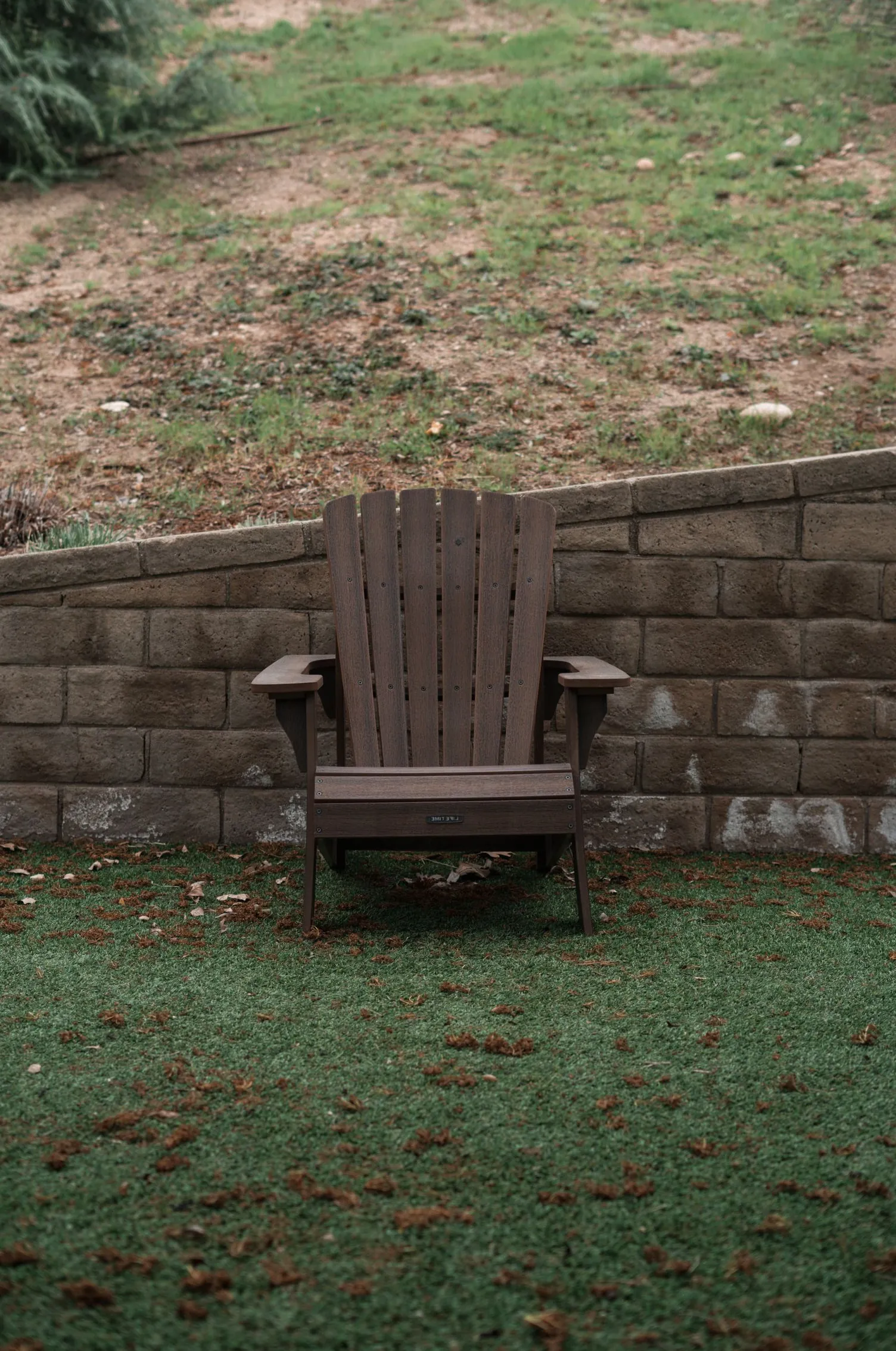
Retaining Walls
Segmental block or poured walls that make flat space on a sloped lot and frame the rest of the hardscape.
More on retaining walls
Paver Patios
The anchor of most yard plans: a paver patio sized, placed and graded to connect with everything around it.
More on paver patios
Service area
Outdoor Steps around Columbus
We plan and build outdoor steps across Columbus and these towns.
Franklin County
Pickaway County
Fairfield County
Delaware County
Licking County
Talk to us about outdoor steps
Tell us what you want out there now and later, and we will call to talk through a plan and book a walk-through.